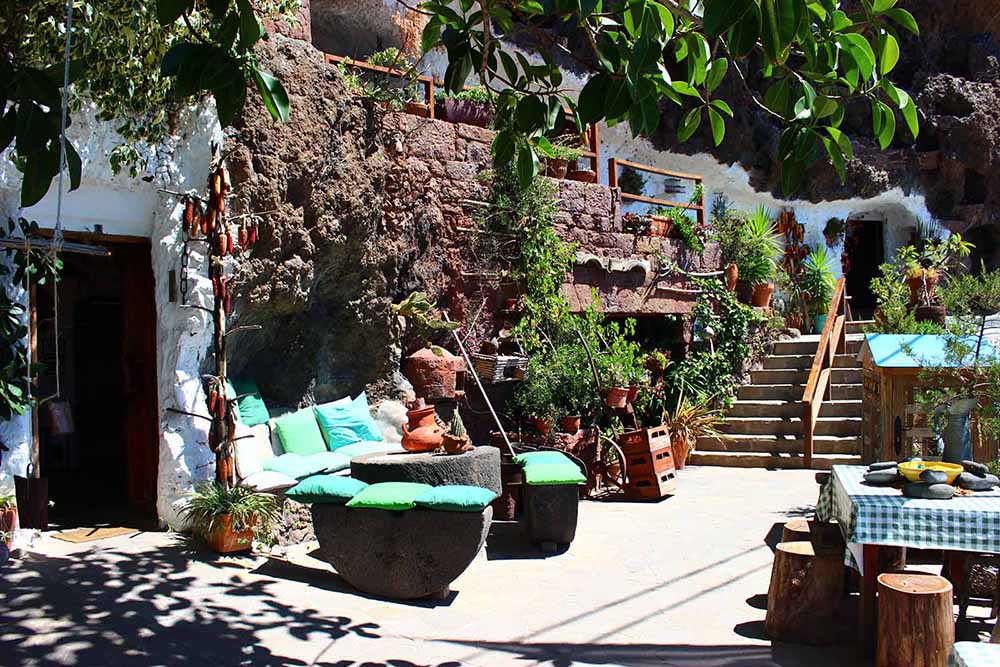
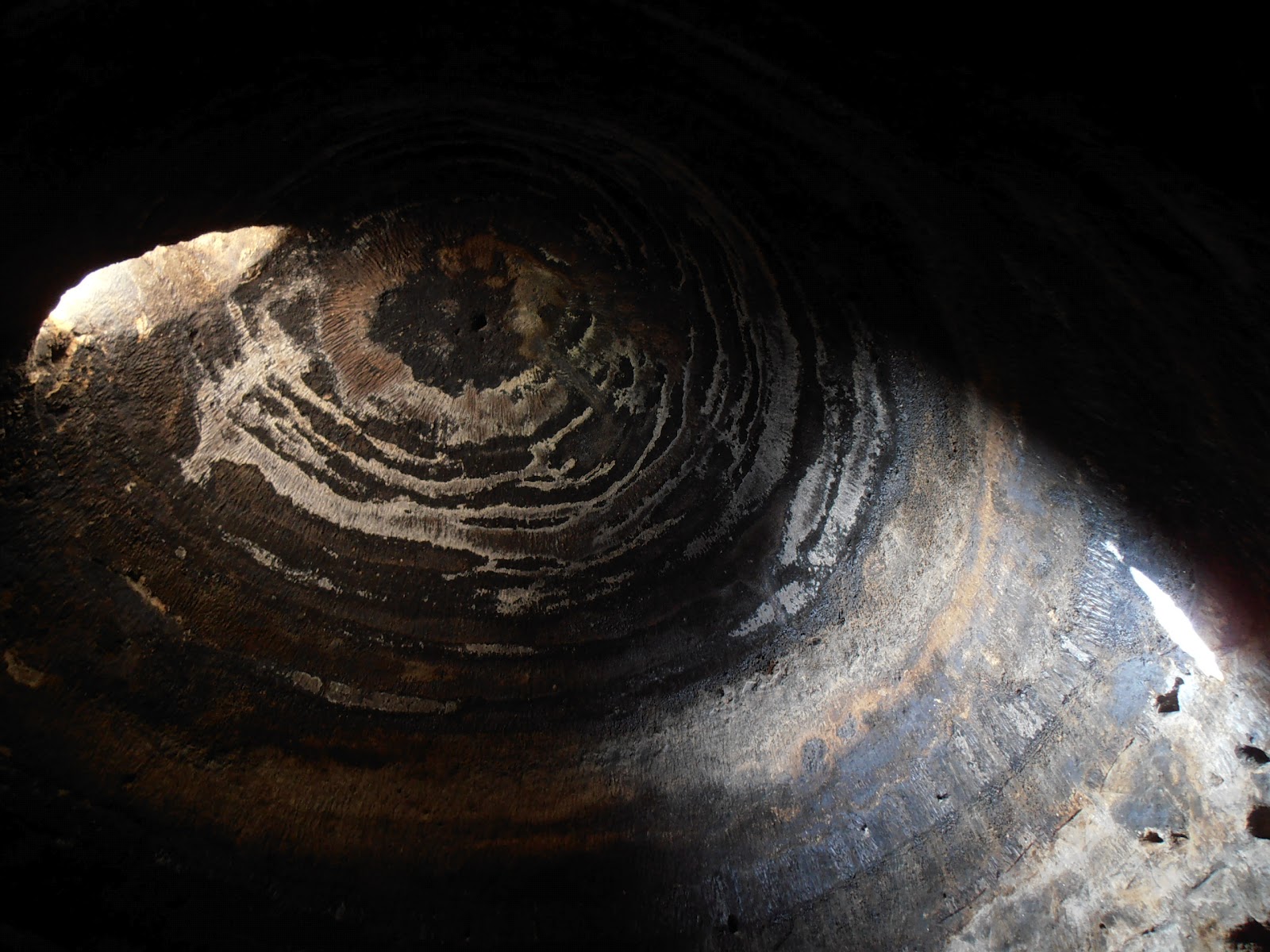
There is placed in the left margin of the Ravine Hondo, which divides the municipal areas of Gáldar and Artenara. The deposit is composed by a series of caves habitacionales and of agrarian cattle use, some of which offer small pans excavated in the floor and several engravings in the shape of pubic triangles in the walls. In one of these caves, there takes place the curious phenomenon of which the solar beams that penetrate for a top large window illuminate his interior of an enigmatic way.
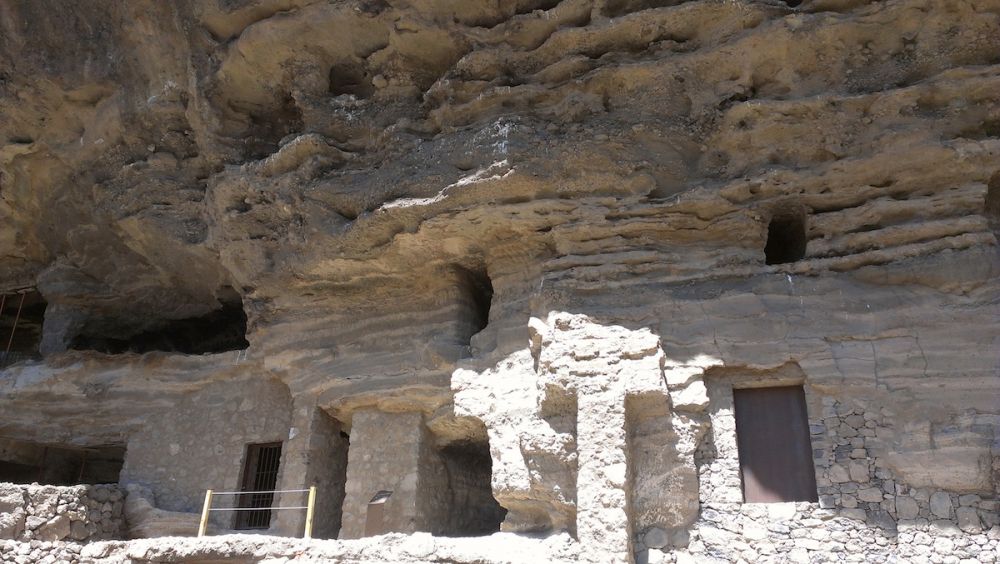
On this phenomenon, there exists the hypothesis of which it was a sacred place related to the fertility, since there are represented diverse pubic triangles that are crossed by the beam of the Sun. Likewise, the phenomenon relates to an agricultural calendar of the aboriginal epoch. By his singular characteristics it is considered to be one of the sets of caves of the former canaries more spectacular of Great Canary. Nowadays it is situated in process of rehabilitation.
The Chapter of Great Canary has initiated the trip that tries to take the cave of Fallen Crag, in Artenara, towards the UNESCO, as Heritage of the Humanity, for considering it " an archaeological exceptional monument on a worldwide scale ", an exchequer that exemplifies the knowledge of astronomy of the former canaries and that connects it with other instruments of civilizations that were using the games of lights and shades for his religious rites or as calendars.
The UNESCO has incorporated into his Arqueoastronomía's portal the deposit of Fallen Crag and the sacred mountains of Great Canary, which can suppose the step before his incorporation in the list of world heritage and the archaeological Canary site first in obtaining this distinction.
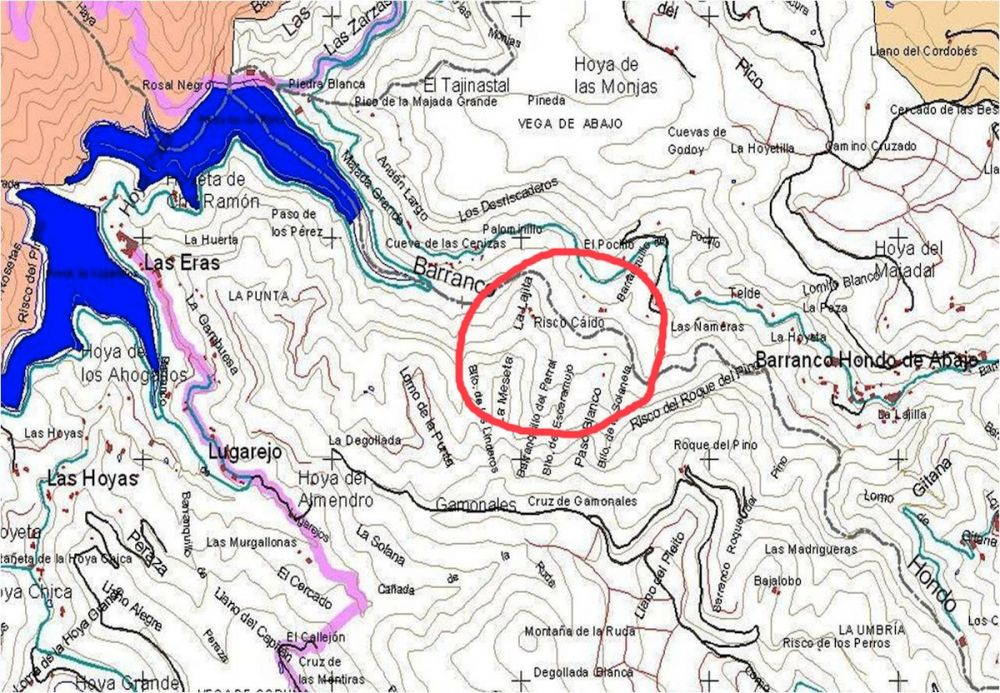
The link shows closely the situation, history and characteristics of this Artenara's archaeological deposit with graphical material and illustrations that describe the environment, for that the Chapter of Great Canary already has sent to the Government of Canaries his offer in order that the UNESCO it declares Heritage of the Humanity.
Fallen crag, a rarety for his dome excavated in the stone, and in that there happen the pubic triangles for which it gets down a phallus of light thanks to a studied opening that gathers the sunbeams, it was discovered by the archeologist Julio Cuenca in 1996, which he it considers to be an astrological calendar and a " lost temple " of the former canaries.
Thanks to his structure it is allowed know the stations, and elaborate a calendar to establish l the cultures and the administration of the agricultural surpluses, a system that, in addition, is not an only one of Fallen Crag, but it repeats itself with diverse architecture in other deposits like Four Doors, High places of the Coronadero, Arteara's Necropolis, Gamona's Plains, Horgazales's Mountain, Mountain of Taurus, Roque Bentayga, Cave of The Oil-lamps or The Table of Accuses.